Kerning Party Quest is most useful when you need a repeatable mesos routine without committing to a longer training route. Early and mid-stage characters can value the steady party structure, while established characters may prefer direct grinding when recruiting takes too long. If you are comparing the time cost of a session with outside MapleStory Global Mesos, count waiting and party management as part of the investment, not as free time.
Make the entrance time part of the calculation
Channel hopping works best as a short search pattern rather than an endless routine. Check nearby channels in order, test whether a group can actually start, and leave after repeated failed countdowns instead of protecting a single channel that no longer suits the queue.
Keep track of when the entrance is usually active during your own play schedule, but treat that record as a planning aid rather than a guarantee. A quiet channel from one session can be busy later, so the useful result is knowing when to search and when the queue is not worth defending.
Protect the value of a reliable party
A familiar group of four reduces recruiting time and lowers the need to explain positioning before every run. That advantage matters more during short play sessions, where a few minutes spent replacing one member can consume much of the available earning window.
Set loot expectations and the planned session length before entering. If a member stops responding, allow a reasonable pause, then decide whether the remaining players have enough time and coverage to continue. A replacement is helpful only when it arrives quickly enough to preserve the group's rhythm.
Choose between party runs and direct training
Kerning Party Quest and ordinary training solve different resource problems. Party Quest offers a structured activity with a clear entry condition and shared responsibility, while direct training avoids recruitment and lets you control the pace. The better option depends on whether your limiting resource is available party time or character progress.
| Plan |
Time cost |
Entry gate |
Growth room |
| Kerning PQ |
Queue dependent |
Party required |
Moderate |
| Direct training |
Self controlled |
Area access |
Level focused |
| Short PQ block |
Lower commitment |
Party available |
Limited |
Choose Party Quest when your group is already assembled and the session has enough uninterrupted time for several runs. Choose direct training when recruiting is slow, your character needs consistent experience, or you want to stop without coordinating a party. Neither plan removes the other from your routine; switching based on the current bottleneck protects your hourly return.
Set a stopping point before returns weaken
Long sessions can lose value when the third run is slower than the first two. Fatigue, a missing player, or a crowded entrance may turn a predictable routine into unpaid waiting, so judge the block by the full session rather than by the best individual run.
Use a simple record for several sessions: mesos earned, total minutes, waiting time, recruiting time, and whether you played earlier or later in the day. That information is enough to identify your own useful windows without assuming that another player's schedule or results will transfer to you.
Put mesos into storage after a couple of completed blocks if carrying a large balance creates unnecessary risk during errands or event preparation. Before each session, decide whether your priority is mesos, experience, or maintaining a dependable party, then set a stop condition that matches that priority.
Check nearby channels in sequence and leave after repeated failed starts.
Keep the same party together when the members can meet the agreed schedule.
Compare total session minutes rather than counting only time spent inside the quest.
Switch to direct training when recruiting becomes the main activity.
Use the next week of records to decide whether Kerning Party Quest still fits your character's stage. If direct training consistently gives better use of your available time, reduce PQ sessions rather than forcing them; if a reliable group removes most waiting, keep the routine until your entry needs or progression goals change.
Before your next session, choose one clear test: a short PQ block with a ready party or a direct training window with no recruitment delay. Track the result honestly, and keep enough resources available for repairs and routine travel through MapleStory GMS Mesos planning. Upgrade your routine only when the added coordination produces a better use of your actual playtime.
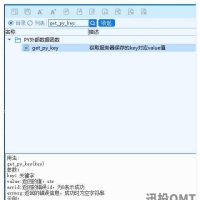 隐藏神器,QMT如何存取策略本地配置5404 人气#有问必答
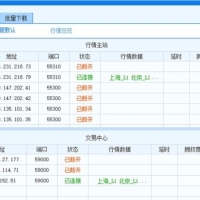 有跟我一样委托单无法成交,行情数据延时的68 人气#有问必答
 不会代码的进,AI编写QMT代码工具经验分享688 人气#量化经典
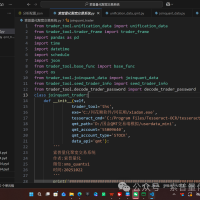 量化研究---索普量化日线T0交策略2.02324 人气#量化经典