After unlocking William Contreras as the World Series MVP reward in MLB The Show 26, the next decision is what to do with the Postseason cards still sitting in your collection. Selling unused copies can free up MLB 26 stubs for Finest targets, but a quick sale is not always the best use of a card. Check its collection value and lineup role before treating it as spare inventory.
Protect Cards With a Purpose
Filter your cards to the 2026 Postseason Series and review them against your immediate goals. An unfinished collection is a reason to pause, particularly if selling a card would mean buying it back later. Check the specific collection requirements before listing anything, rather than assuming every card from the series has the same value to your account.
Lineup value matters just as much as collection progress. A Postseason hitter may still deserve a designated hitter spot if its power fits your roster better than the alternatives you own. Completing a catcher collection does not make every other Postseason card expendable, especially when a player can still contribute to your usual lineup.
Check Parallel XP Before Selling
A card with no regular starting role can still be useful for a Parallel XP task. Keep it if you intend to work on that task; otherwise, compare the likely reward with the opportunity cost of leaving the card unused. No-Sell rewards cannot be listed, so assess them separately as lineup or task options instead of including them in your sale plans.
List Spare Cards With Care
Once you have identified cards with no immediate job, look at their market activity before choosing an asking price. Popular players may attract buyers more readily than lesser-used reserves, but a visible asking price is not proof that a sale will happen at that amount. A modest reduction can be worthwhile when your priority is raising Stubs for a specific purchase.
Work through duplicates in small groups instead of posting every copy at once. A large group of listings can put pressure on the visible price, including the price you hope to receive for later sales. The following order keeps the decision focused on your roster first and the market second.
Set aside cards needed for collections, regular lineups, or planned Parallel XP tasks.
Compare the remaining cards with available market listings before choosing a price.
Post a few copies and wait to see whether buyers absorb them.
Review unsold listings and adjust only when the wait no longer suits your goal.
If a listing remains unsold through two quieter periods, consider removing it and trying one careful relist. That approach limits repeated price changes while still acknowledging that a high asking price may not attract a buyer. If you are not in a hurry, keeping a card is also a reasonable choice.
Give Sale Proceeds a Job
Choose a named Finest player before spending the proceeds. A defined target makes it easier to judge whether another sale is necessary and reduces the temptation to spend on packs simply because Stubs are available. Chase Packs can be appealing, but their uncertain contents make them a poor substitute for a purchase you have already planned.
A Monster Smash feeder can take priority when its value is clear and it helps finish a reward before November 6. That choice depends on the time remaining and the other pieces you still need; do not commit resources solely because the deadline is close. Compare the cost with the Finest player you would otherwise pursue.
Before your next session, save your filter and note which cards you are keeping for collections, starting roles, or Parallel XP. If you are also considering cheap MLB 26 stubs, review your remaining target and available cards first so that any spending decision has a clear purpose.
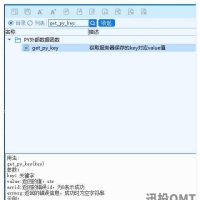 隐藏神器,QMT如何存取策略本地配置5390 人气#有问必答
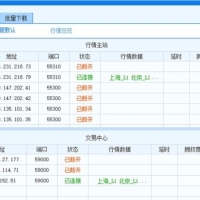 有跟我一样委托单无法成交,行情数据延时的67 人气#有问必答
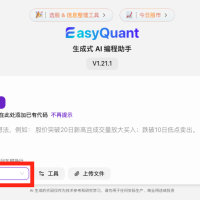 不会代码的进,AI编写QMT代码工具经验分享685 人气#量化经典
 量化研究---索普量化日线T0交策略2.02324 人气#量化经典